Electric Vehicle and Green Energy Tax Incentives: Maximize Your Savings
Discover how to leverage electric vehicle and green energy tax incentives to reduce your tax liability and support sustainability. This guide details the Electric Vehicle Tax Credit, offering up to $7,500 for qualifying purchases, with eligibility requirements including personal use primarily in the U.S., income thresholds, and vehicle specifications. Learn about additional green energy credits, strategic planning tips, and common pitfalls to avoid, empowering you to make informed financial decisions while contributing to environmental conservation.
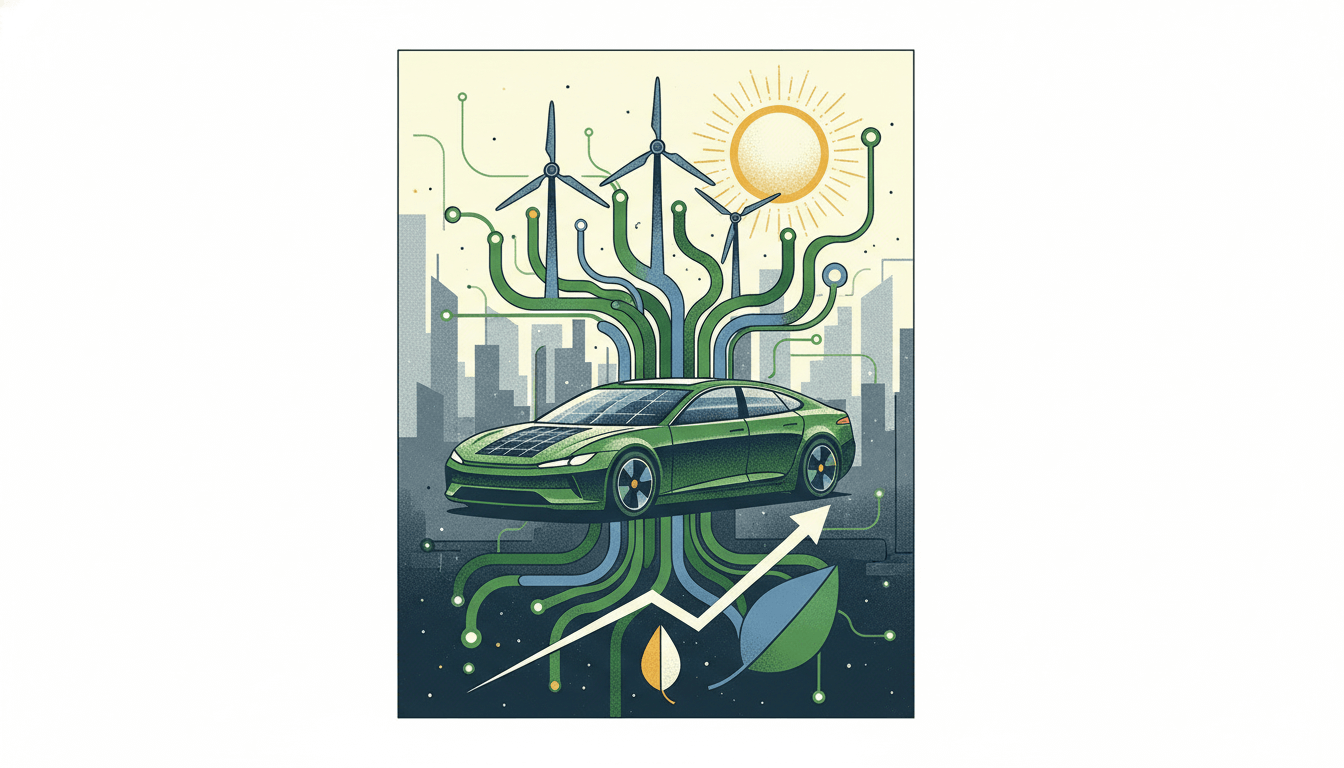
As environmental sustainability becomes a global priority, governments are incentivizing individuals to adopt eco-friendly technologies through tax benefits. The Electric Vehicle (EV) Tax Credit, offering up to $7,500, is a cornerstone of these efforts, designed to reduce both carbon footprints and tax burdens. However, navigating the eligibility criteria—such as personal use requirements, income caps, and vehicle specifications—can be complex. This comprehensive guide breaks down the EV credit and related green energy incentives, providing actionable strategies to maximize your savings while ensuring compliance with IRS regulations. Whether you're considering purchasing an electric vehicle or installing renewable energy systems, understanding these incentives is crucial for optimizing your financial planning.
Understanding the Electric Vehicle Tax Credit
The Electric Vehicle Tax Credit, formally known as the Qualified Plug-in Electric Drive Motor Vehicle Credit, provides a non-refundable tax credit of up to $7,500 for new EV purchases. This credit is applied directly to your tax liability, potentially reducing what you owe dollar-for-dollar. Eligibility hinges on several factors: the vehicle must be acquired for personal use, not resale, and operated primarily within the United States. The credit amount varies based on battery capacity, with a base of $2,500 plus $417 for each kilowatt-hour of battery capacity over 5 kWh, capping at $7,500. For example, a vehicle with a 60 kWh battery would qualify for the maximum credit. It's essential to note that this credit phases out once a manufacturer sells 200,000 eligible vehicles; as of 2025, models from Tesla and General Motors are no longer eligible, while others like Ford and Nissan may still qualify. Always verify current eligibility using the IRS website or consult a tax professional before purchasing.
Eligibility Requirements and Limitations
To claim the EV tax credit, taxpayers must meet specific criteria. The vehicle must be new, purchased from a licensed dealer, and used predominantly in the U.S.—meaning over 50% of its mileage should occur domestically. Income limitations also apply; for single filers, the credit phases out at modified adjusted gross incomes (MAGI) above $150,000, $225,000 for heads of household, and $300,000 for married couples filing jointly. Additionally, the vehicle's manufacturer suggested retail price (MSRP) must not exceed $80,000 for vans, SUVs, and pickup trucks, or $55,000 for other vehicles. The credit is claimed via IRS Form 8936, which requires detailed information about the vehicle, including its VIN and date of purchase. Failure to adhere to these requirements can result in disallowance of the credit and potential penalties. For leased vehicles, the credit typically goes to the leasing company, though some may pass savings to consumers through reduced lease payments.
Additional Green Energy Tax Incentives
Beyond EV credits, the U.S. tax code offers numerous incentives for green energy investments. The Residential Clean Energy Credit covers 30% of costs for installing solar panels, wind turbines, geothermal heat pumps, and battery storage systems through 2032. For instance, a $20,000 solar installation could yield a $6,000 credit. The Energy Efficient Home Improvement Credit provides up to $3,200 annually for upgrades like insulation, energy-efficient windows, and heat pumps. Businesses can benefit from the Commercial Clean Vehicle Credit, offering up to $40,000 for qualified commercial EVs. These incentives align with federal goals to reduce greenhouse gas emissions by 50% by 2030. To optimize claims, maintain detailed receipts, manufacturer certifications, and proof of installation dates. Combining multiple credits can significantly lower your tax bill, but be mindful of annual limits and phase-out schedules outlined in IRS Publication 535.
Strategic Planning and Common Pitfalls
Maximizing green tax incentives requires proactive planning. Start by assessing your eligibility early—before making purchases—to avoid surprises. For EVs, confirm the model's credit status using the IRS's quarterly updated list. If your tax liability is less than the credit amount, note that the EV credit is non-refundable; any unused portion doesn't result in a refund, though it may carry forward to future years. Common mistakes include claiming credits for used vehicles (ineligible under current law), overlooking income phase-outs, or failing to file Form 8936. Additionally, state-level incentives, such as rebates or HOV lane access, can complement federal benefits. For example, California offers up to $7,000 in rebates for low-income EV buyers. Always document purchases with bills of sale, registration, and energy efficiency certifications. Consulting a tax advisor can help navigate complex scenarios, like business-use vehicles or retroactive claims.
Key Takeaways
The Electric Vehicle Tax Credit offers up to $7,500 for new, qualifying EVs used primarily in the U.S.
Eligibility depends on income limits, vehicle specifications, and manufacturer sales caps.
Additional green energy credits, like the Residential Clean Energy Credit, can reduce costs for solar or wind installations.
Plan purchases carefully to maximize benefits and avoid common pitfalls, such as incorrect filings or missed deadlines.
Always verify current incentives with the IRS or a tax professional to ensure compliance and optimal savings.
Frequently Asked Questions
Can I claim the EV tax credit for a used electric vehicle?
No, the federal Electric Vehicle Tax Credit applies only to new vehicles purchased from authorized dealers. However, some states offer rebates or credits for used EVs—check local programs for details.
What happens if my tax liability is less than the $7,500 credit?
The EV credit is non-refundable, meaning it can reduce your tax liability to zero but any excess doesn't result in a refund. Unused portions may carry forward to future tax years, subject to IRS rules.
Are there income limits for claiming green energy credits?
Yes, for the EV credit, phase-outs begin at MAGI of $150,000 (single), $225,000 (head of household), and $300,000 (married filing jointly). Other credits, like the Residential Clean Energy Credit, currently have no income limits.
How do I claim the EV tax credit on my tax return?
File IRS Form 8936 with your federal tax return, providing the vehicle's VIN, purchase date, and other required details. Retain supporting documents, such as the sales contract, for at least three years.
Conclusion
Electric vehicle and green energy tax incentives present valuable opportunities to save money while supporting environmental sustainability. By understanding the specifics of the EV tax credit—including its $7,500 maximum, eligibility requirements, and limitations—you can make informed decisions that align with your financial goals. Complement these with other green credits for home energy improvements to further reduce your tax burden. Stay updated on legislative changes, as incentives may evolve with new energy policies. For personalized advice, consult a tax professional to ensure you're maximizing benefits and maintaining compliance. Embracing these incentives not only lowers your taxes but also contributes to a cleaner, greener future.